How to cook meat on a griddle: Chefounet’s plancha guide
By Pierre-Henri Vannieuwenhuyse

Cooking meat on a griddle is straightforward when you follow a few practical principles. Here are the tips I use.


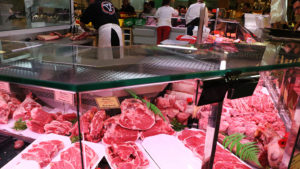
Start with quality meat, preferably from a butcher who knows how it was raised, matured and prepared. 

Food quality, variety and cooking methods all matter. Combine different ingredients and vegetables, and avoid burning food.

Meat provides protein, but balance remains important. Choose reasonable portions of quality meat, vegetables and suitable fats: eating well is the aim.

Managing meat cooking on the griddle

Griddle cooking is fast, so have all ingredients and utensils within reach before starting. Prepare spatulas, scrapers, holding and serving dishes, water for cleaning where permitted, a container for emptying the grease tray, a small bin and kitchen paper. Organisation keeps cooking enjoyable rather than stressful.

Food cooks by direct contact with the metal plate, which separates it from burner flames. This helps control cooking but does not mean food can never burn or that the method automatically prevents harmful compounds. Follow these practical rules:

Choose a quality griddle with useful heat retention and control the temperature.

Excessive heat above 300°C is generally unnecessary for these recipes and can burn food. Plate thickness helps stabilise temperature when cold ingredients are added. Simogas uses 6 mm rolled carbon steel, 12 mm precision-ground steel and 18 mm hard-chrome-coated steel. A larger plate can provide a hot searing zone and cooler finishing edges. Enamelled surfaces require their own care: do not assume they tolerate the thermal-shock cleaning methods used on other plates.


Results depend on the equipment and how it is used. A barbecue’s embers and flame differ from the controlled burners and metal plate of a griddle.

For the techniques described here, work with a plate temperature around 260–270°C or lower as appropriate, and avoid unnecessarily prolonged cooking. If a diner prefers medium or well-done meat, finish it more gently on a cooler part of the plate. Heat first enters through the contact surface, so finishing takes longer with thick pieces.

For thick cuts, sear first, then finish gently on a suitable raised rack under a cooking dome, as described in the bone-in rib steak recipe.

Cleaning between batches with water or ice, only where the plate manufacturer permits it, helps remove accumulated burnt residues. Scrape them into the collector and clean thoroughly after use.

Cutting and trimming

Preparing and trimming meat requires some technique. Your butcher can usually do this professionally. Well-prepared pieces make cooking easier, so it is often better to cook individual portions than one large joint ; for example, slices of leg of lamb rather than a whole leg.
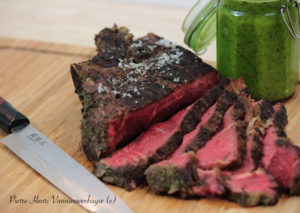
If mincing meat yourself, use thoroughly clean equipment, mince shortly before cooking and keep it chilled. Cook minced meat through; a food thermometer is useful, with 71°C as the standard reference for ground meat.

Marinades 

They are optional: griddle cooking alone can bring out the ingredients’ flavour.

Marinades add character much as smoke does on a barbecue. Flavour combinations are almost endless, and depending on the ingredients, they also alter the meat’s surface and texture . Acidic ingredients can change proteins, while sugary ingredients brown quickly. Soy sauce, honey, molasses and brown sugar need particular care because they can scorch.

Strongly acidic marinades made with vinegar, wine or citrus can overpower red meat when left too long. Around two hours is a useful starting point for these recipes, adjusted to the cut and marinade; poultry responds differently.

Use herbs and spices such as garlic, turmeric, thyme, rosemary, savory, basil, mint and sage, or suitable fruit juices, to vary the flavours of your marinades.

Adjusting to the type of meat 

Begin on a properly heated plate 250°/270°. An excessively hot plate above 300°C can rapidly toughen and blacken the outside before the middle cooks. Reduce the heat rather than letting the surface burn.

For medium or well-done red meat , use a more moderate starting temperature, around 220–230°C, to accommodate the longer cooking time without scorching.

The same principle applies to pork and veal . Sear around 240°C and finish gently. For whole cuts, the standard reference is 63°C at the centre followed by at least 3 minutes resting; minced meat requires a different target. Pork neck or veal loin can be more forgiving than lean leg cuts.


For poultry , do not rely on surface colour or an unspecified low temperature. Use a probe and cook through; the standard reference for chicken and other poultry is 74°C at the centre.

For thick rib steaks, lamb leg or shoulder, or spatchcock chicken, a suitable raised rack under a cooking dome provides gentler surrounding heat after searing. The method takes longer but allows the centre to cook without burning the exterior.

At the end of cooking, rest meat before serving, generally around 10 minutes for suitable large pieces, while keeping it appropriately warm. This lets juices redistribute and gives you time to finish prepared vegetables. A practical example: Bone-in rib steak with peppercorn sauce.

More practical tips 

Use a probe thermometer to check the centre. Clean residues between batches according to the plate instructions. Repeated ice treatment is not suitable for enamelled steel or enamelled cast iron; use the cleaning method approved for that surface.

For a large group with a medium-sized griddle, plan ahead. Prepare ingredients and vegetable sides, use appropriately managed advance cooking where suitable, and offer salads or ready-to-serve vegetables to free cooking space.

Serving sauces is optional. Homemade is enjoyable, but a good ready-made sauce is fine too.


Now explore another technique with our guide to fish on the griddle !