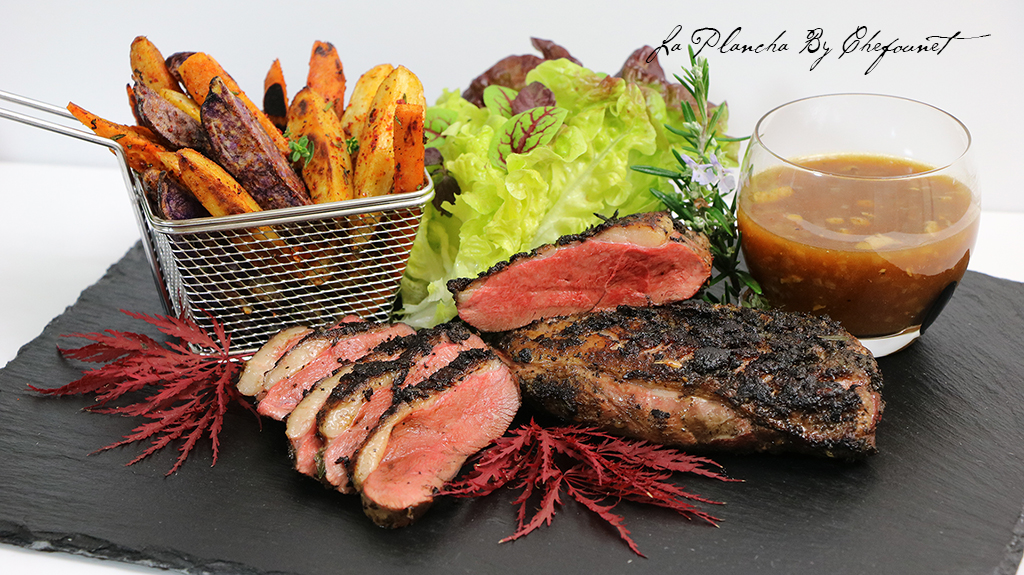
Duck breast on the griddle with foie gras sauce and porcini
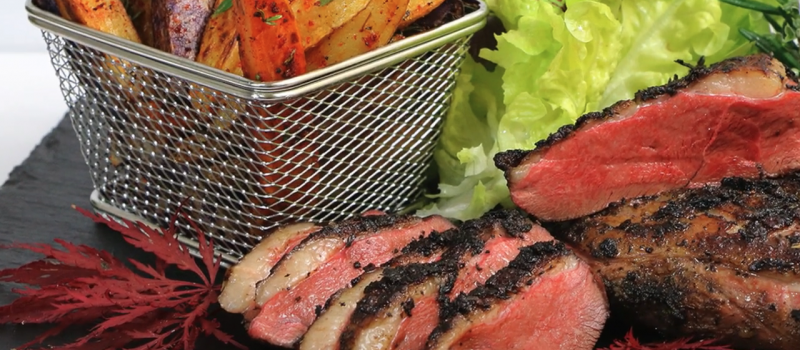
Inspired by south-western France, this festive griddle recipe combines duck, mushrooms and a smooth foie gras sauce. Dried mushrooms, traditionally used as an aromatic condiment, make an unusual marinade. Serves 6:
Porcini marinade
Foie gras sauce
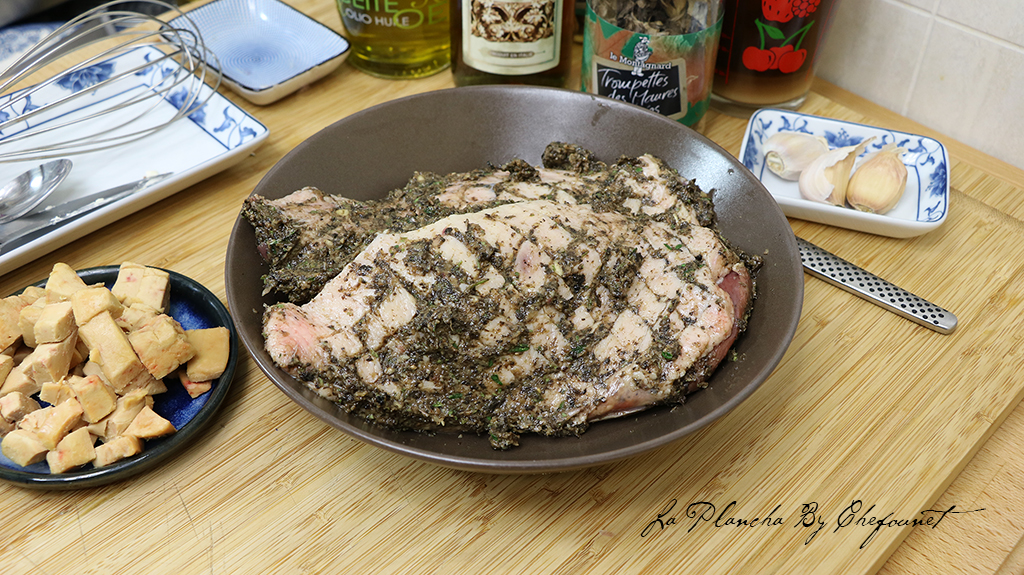
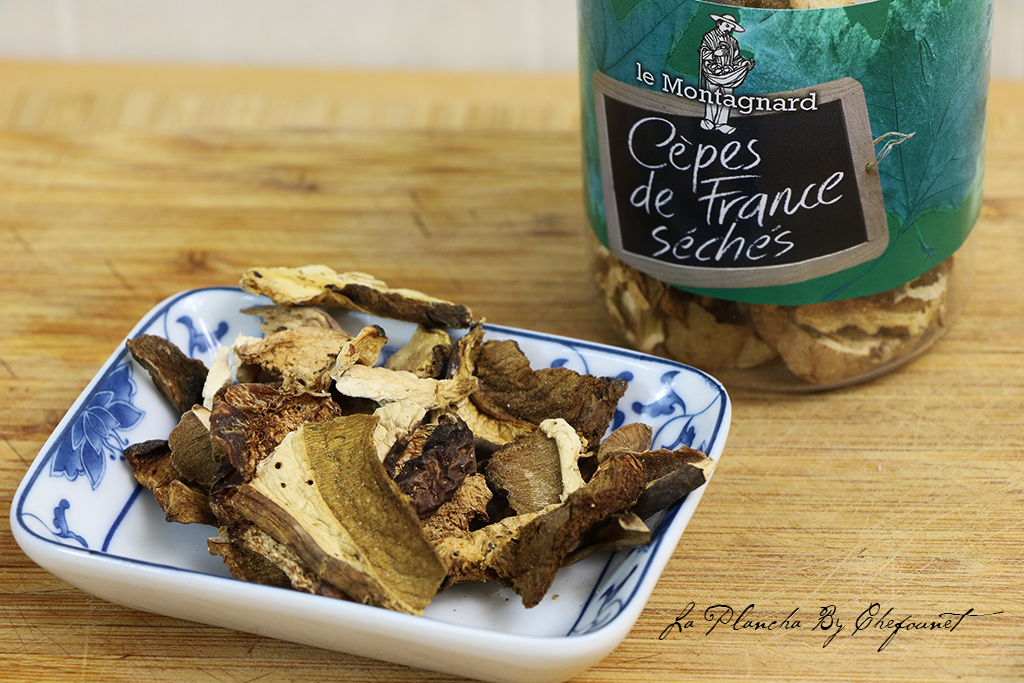
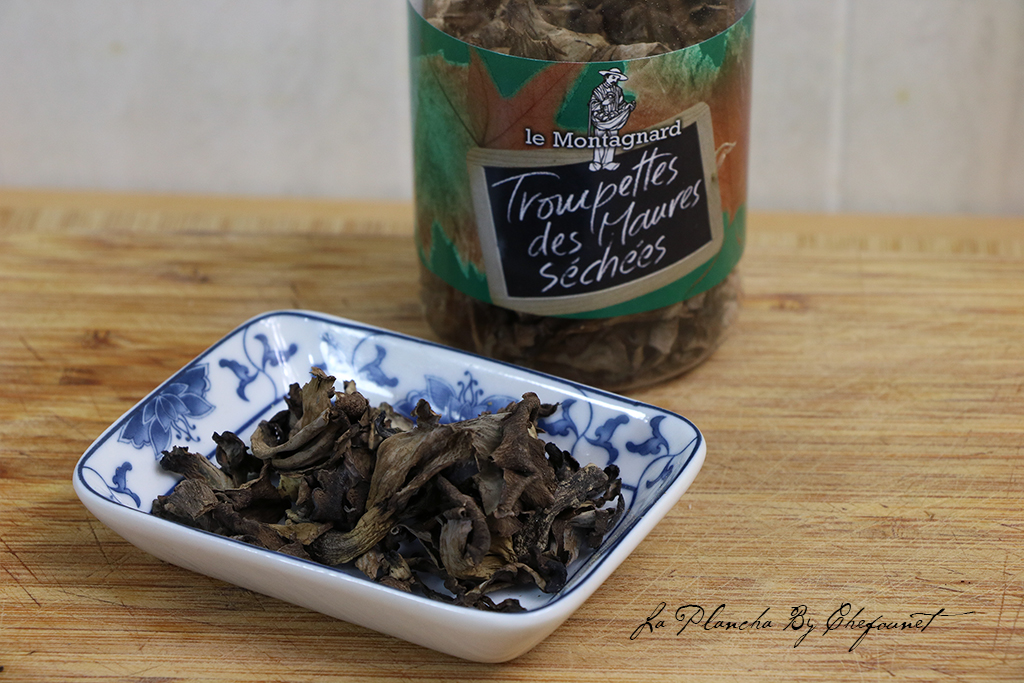
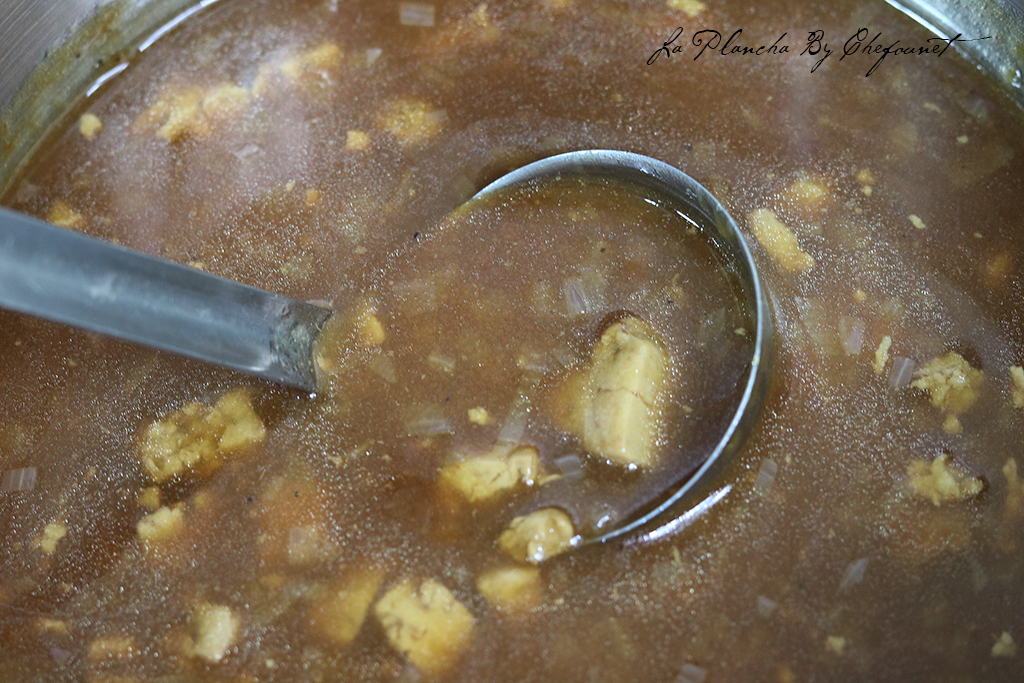
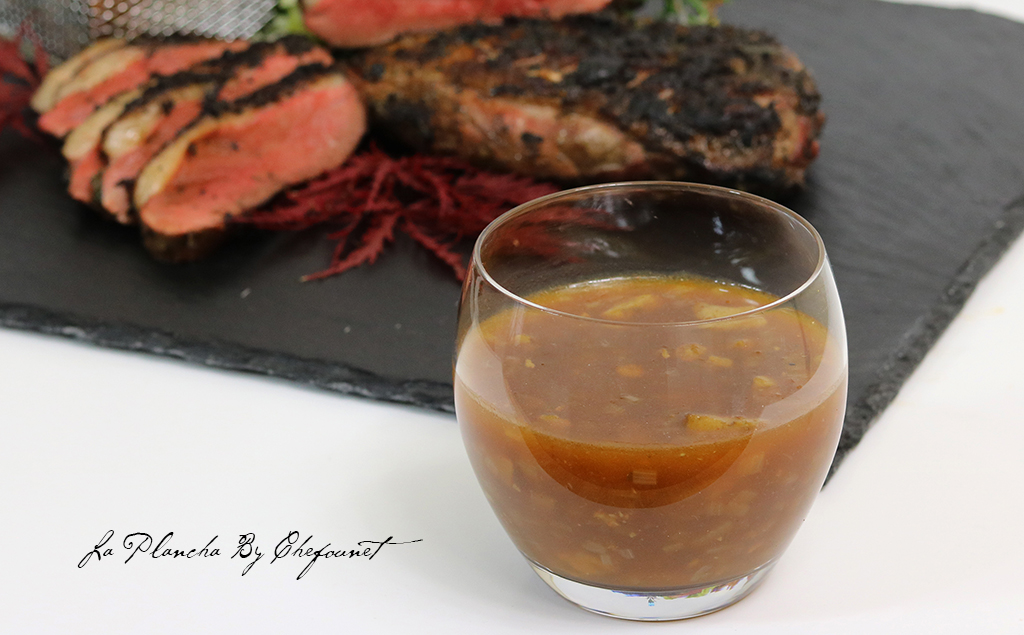
Making the dried porcini marinadeSoak the porcini in a little water, add cognac, spices and herbs, then blend. Incorporate the remaining marinade ingredients. Trim excess fat from the duck breasts and score the skin in a criss-cross pattern so the fat can render. Brush generously with marinade and place in a food bag or covered dish. Refrigerate for 12–24 hours. Reserve unused marinade, before contact with raw duck, for the sauce. Making the foie gras sauceUse a small saucepan while the vegetables cook on the griddle. Reduce the red wine and port by half. Add the prepared thickened veal stock. Reduce by half again, stirring occasionally. Add the reserved unused porcini marinade to deepen the flavour. Cut the foie gras into 1 cm cubes. Check seasoning with fleur de sel and white Penja pepper. Add the foie gras cubes. Keep warm but do not boil from this point, as the foie gras cubes may break down.
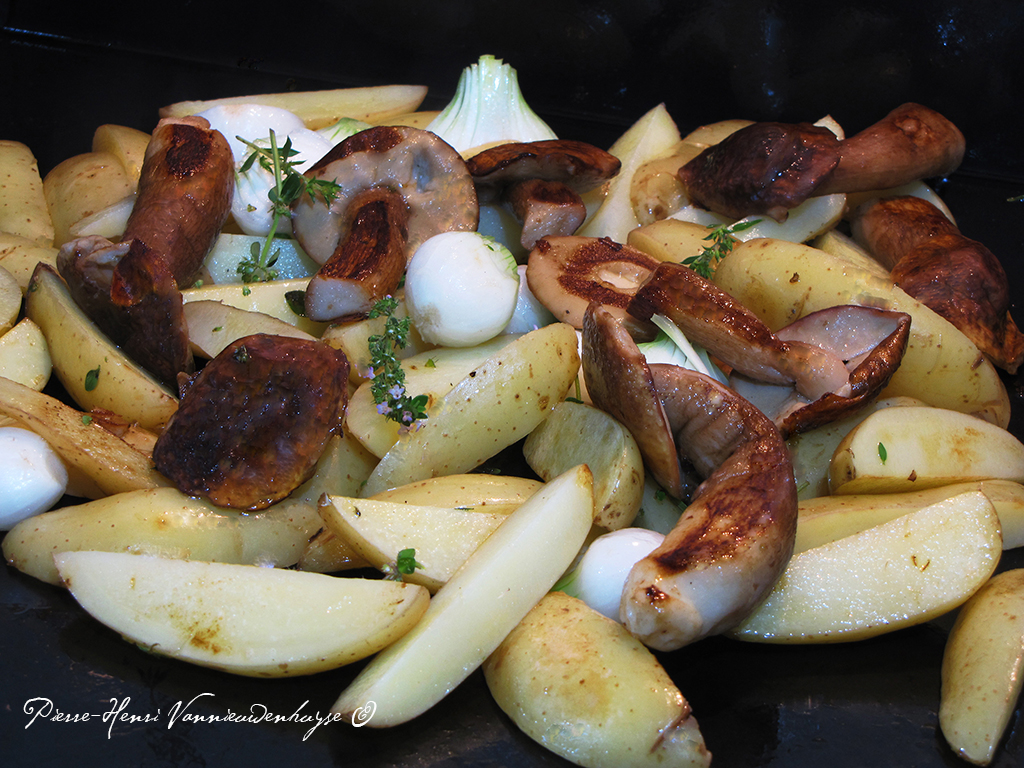
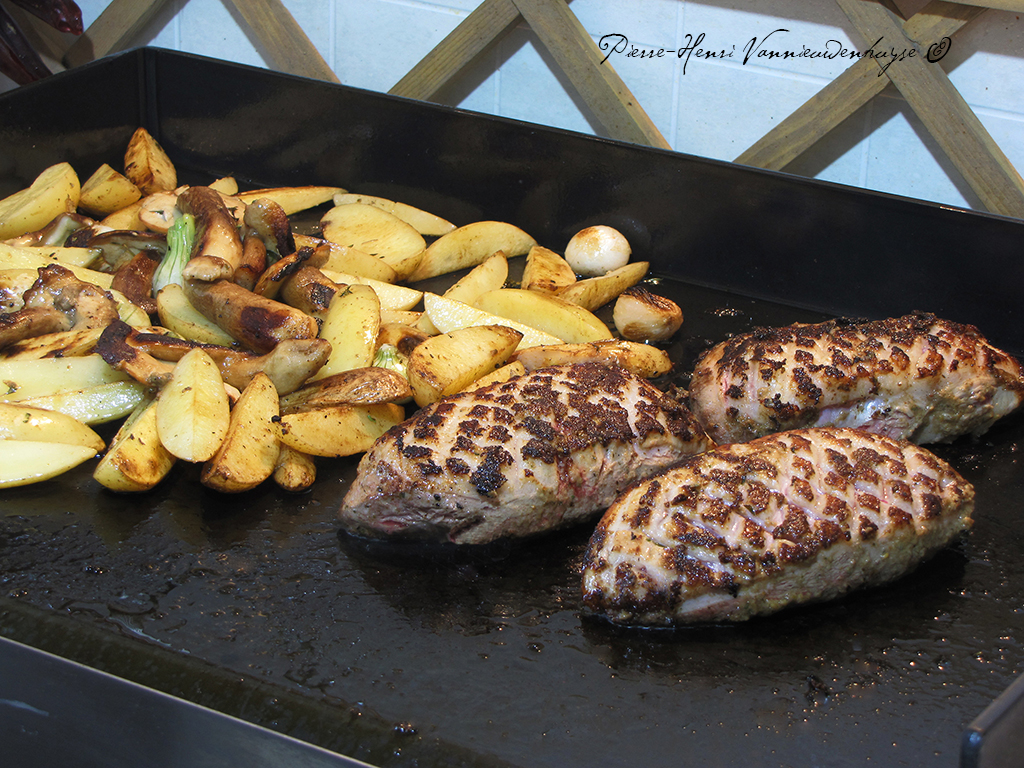
Preparing potatoes with porcini, spring onions and savoryWash and dry the potatoes without peeling. Cut into wedges like thick chips. Peel and wash spring onions. Crush and chop garlic. Trim the porcini and leave small ones whole. Cook potatoes on the hot plate in duck fat, turning as they brown. After 10 minutes add spring onions and savory. Cover with a suitable dome and cook gently for 15 minutes, stirring two or three times. On another part of the plate, cook the porcini with a little extra virgin olive oil. Combine potatoes and mushrooms at the end, add chopped garlic and season with fleur de sel.
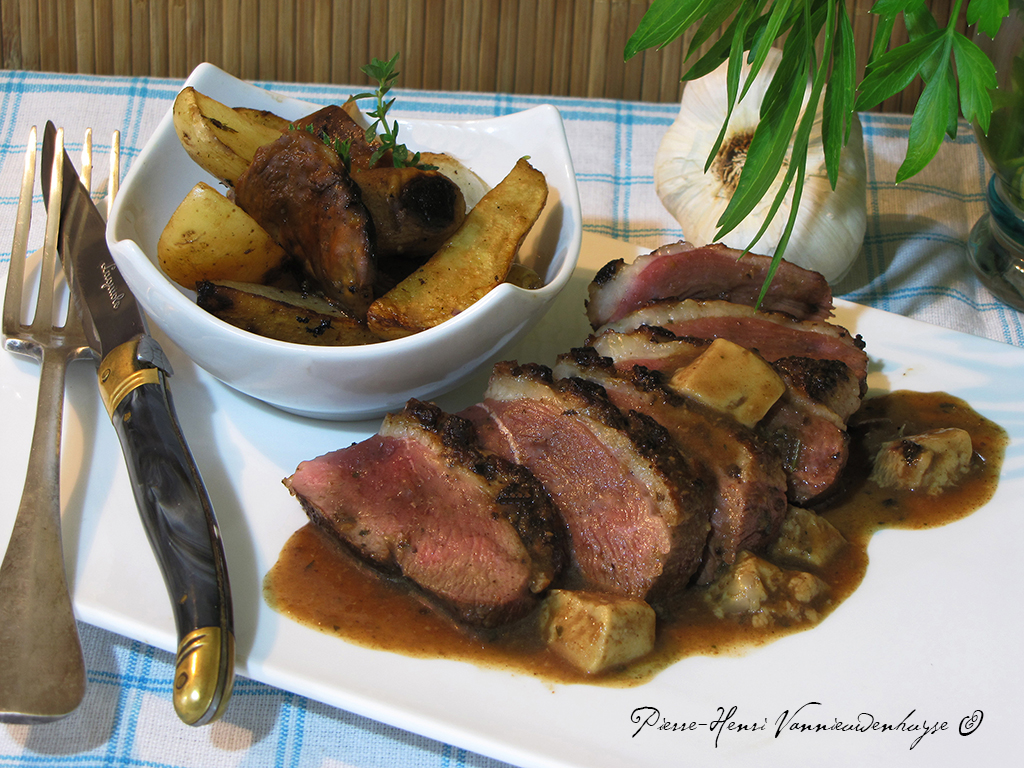
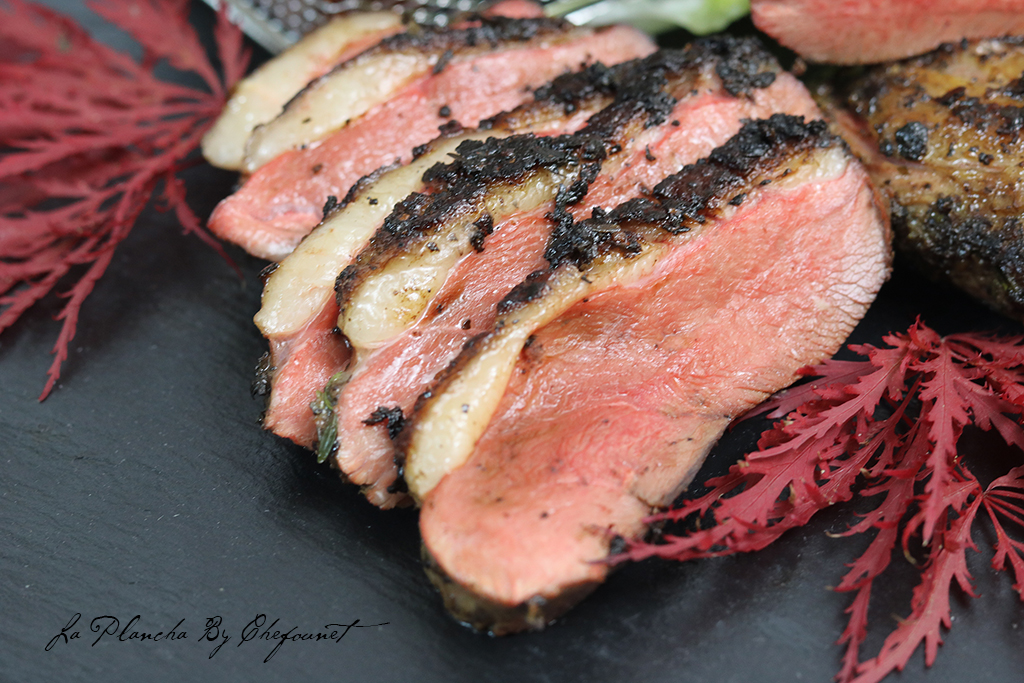
Cooking the duck breastsWhile the potatoes finish, sear the duck skin-side down on a 250°C griddle. After 3–4 minutes, depending on doneness, turn and lower the heat to 200°C. Finish cooking. Salt lightly: the marinade already contains salt and Espelette pepper. The original chef’s doneness references are 55°C for pink, 61°C for medium and 67°C or above for well done; these are culinary references, not universal food-safety targets. Rest the breasts for as long as they cooked to allow the meat to relax and its juices to redistribute. Slice, spoon over sauce and serve with potatoes. Pair with Margaux or Saint-Julien.
|